

Dance & taxes: Your weekly Civics Roundup
Plus, a clothing swap, a cooperative movement meeting, and more ways to get involved.
Plus, a clothing swap, a cooperative movement meeting, and more ways to get involved.

From the schedule to Trump's role in the park's restoration.

Feds say the 15th Street protected bike lane will cause more traffic during cherry blossom season, but bike advocates say it makes everyone safer.

Seven area natives share how the spirit of Chocolate City is still alive.


In November, The Pack World, a D.C.-based content and experience company, released its latest project: PROOF OF LIFE. It repurposes a term that's often used on social media after a long absence to instead showcase the stories of people and places that capture the spirit of Chocolate City — evidence of a people refusing to be erased.
As part of the project, they interviewed D.C. area natives — leaders in the community and in their fields — on the state of the city. The conversations took place between September and October 2025, with the federal takeover of D.C. looming in the background.
According to The Pack World, “their perspectives bring together context from the past, hope for the future, and a calling and purpose that requires their blood, sweat, and tears in the present.”
We’re sharing excerpts from seven of these conversations, which have been lightly edited for clarity.
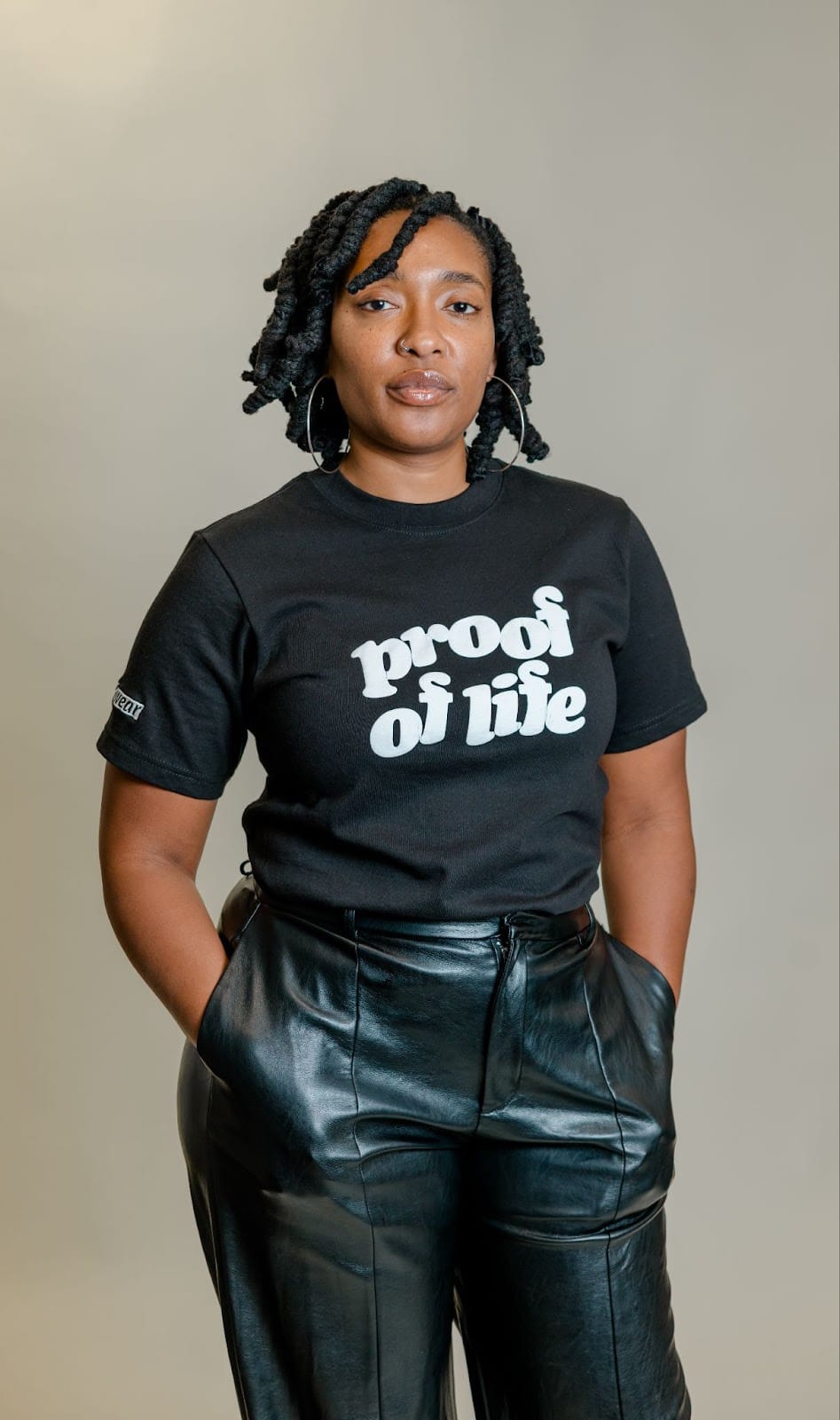
Artist, art therapist, and co-founder of Shanklin Hall — an Adams Morgan bar that’s emerging as a hub for Black creativity in the city.
Purpose. I am here to be a gatherer of people. To curate space, to create safe, comfortable, warm, loving environments for humans to BE themselves. Specifically for Black humans to be themselves, to be free, to be playful, to partake in pleasure and joy. I'm here to radically resist oppressive things with that play, with that joy, with that freedom, with living artfully. I'm here to be bold and audacious in the things I want for myself and the people I love.
"You can count on me and all the spaces I exist in to say where I'm from and why I am who I am — indebted to the city."
Absolutely. I think we wear D.C. on our backs. Shanklin Hall was made to honor … the D.C. that was just rich with chocolate. And to preserve D.C culture, D.C. artists — that's who adorn our walls. DMV now, because we're a lot more inclusive of Maryland and Virginia these days. *laughs* We got to be. We got to stand stronger in numbers. But you can count on me and all the spaces I exist in to say where I'm from and why I am who I am — indebted to the city.
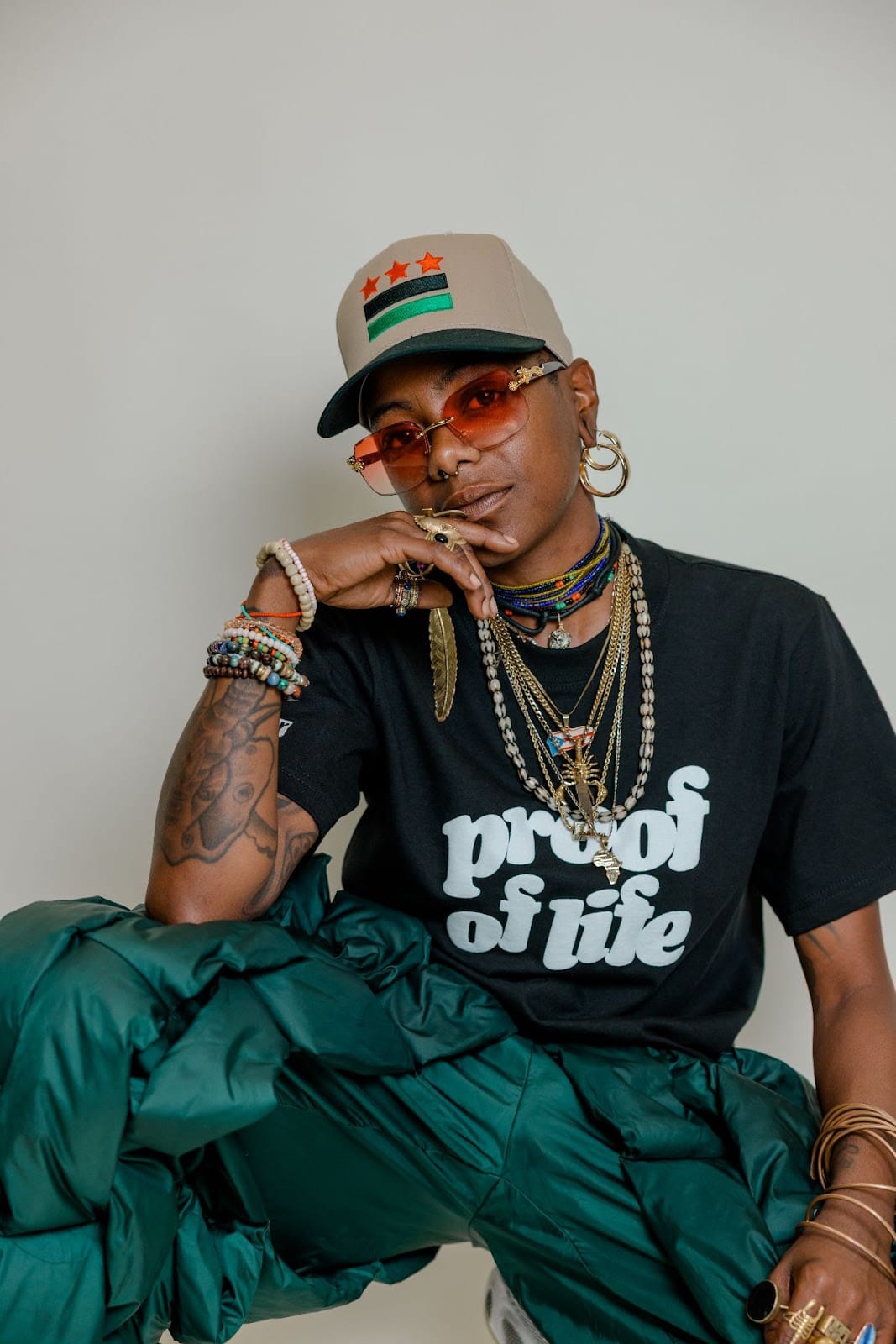
Executive Director of the Congress Heights Arts and Culture Center, owner of Soufside Creative, and whose work often marries art with community advocacy.
I'm born and raised here, but I had opportunities to leave, and for whatever reason, spirit brought me back. And I'm still trying to figure out why I'm here, too. But I know I'm the tangible example of what can be and what can come from Soufside. We are historically underserved and forgotten about with low resources. So I'm that conduit, if you will. I'm the connector. I'm a plug for all the people. I'm here to use art as a healing tool. It saved my life. So I use art for the same reason, to let folks know, one, preserve our story. And then let folks know that we can make it using our God-given talent.
"Like Sankofa, you have to know where you came from to be able to go forward. People really need to know the history of D.C."
Reciprocity is very important to me. Being one of those people who has just given and given and given, it's not a lot that I receive on the back side. But I can't help it. I love the city so bad. I love Soufside so bad. Being a connector, being a conduit, I have work to do in terms of creating connecting spaces for people and resources for people. Being historically underserved, it becomes a mental thing that affects how you act, how you move, and how you do things.
So I'm always trying to be here for a reminder of the people. We have things to do, and we're more than capable to do it. The resources are here. We just got to get up and do the work. So I think back to the question, the giving part is our authenticity. Like Sankofa, you have to know where you came from to be able to go forward. People really need to know the history of D.C. And that is what we give back to.
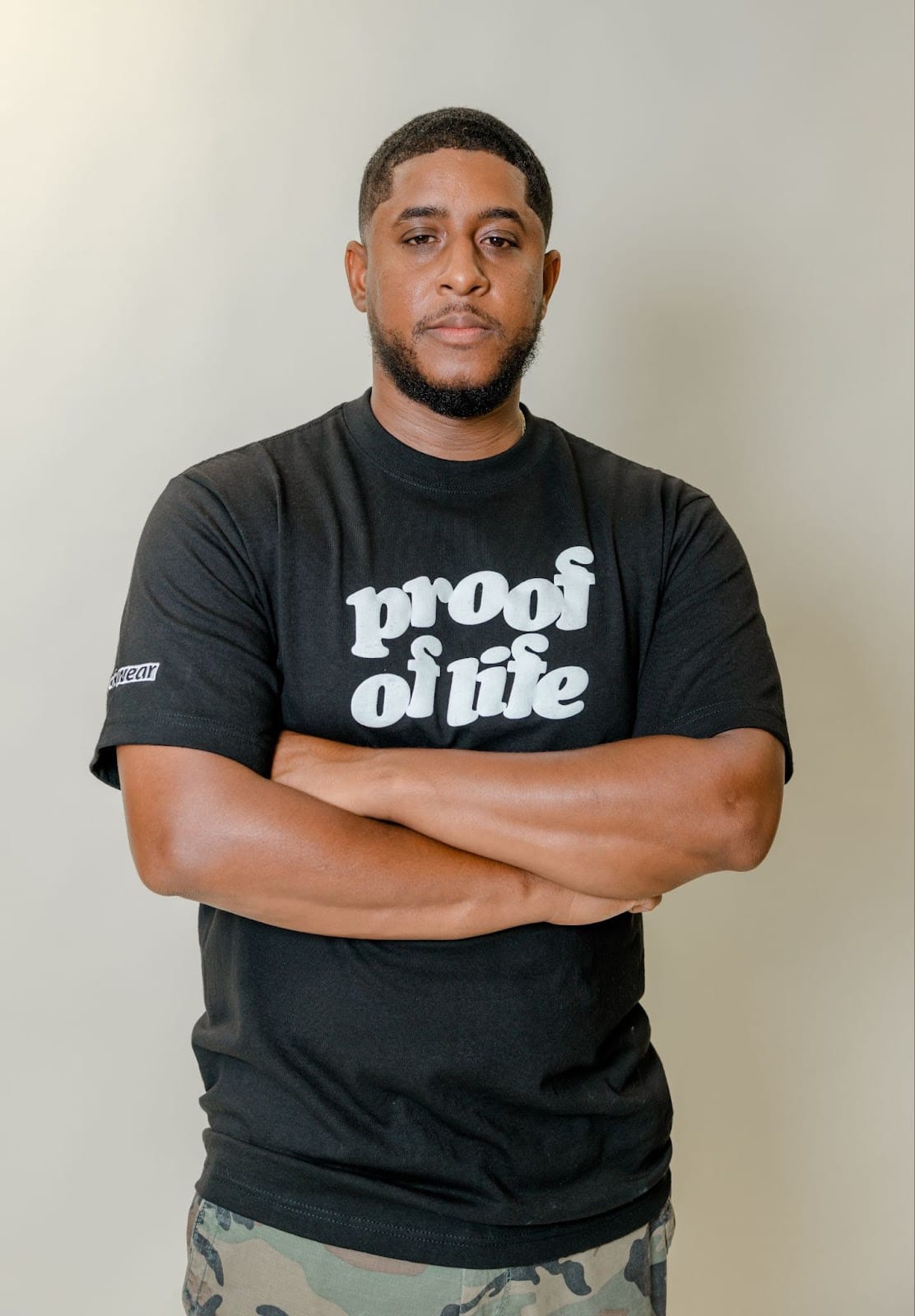
Founder of The People’s Market, which helps small farmers grow their businesses and delivers healthier and tastier produce to D.C.-area residents.
I'm born and raised in PG County, but D.C. kind of raised me — especially as a young adult. I went to Hampton University. After college, I came back home and really had a knack for politics, and I ended up working for Vincent C. Gray, who was running for mayor at the time. I moved to the city, and being amongst brilliant, strategic, focused Black men and women was just like, wow.
"No matter where I'm living, no matter what I am doing, I'm always coming back here because the people here are just built different."
So the city has always held a special place in my heart. But I also saw a lot of bullshit in the city, too. I saw a lot of gentrification happening in the neighborhood where I was renting. No matter where I'm living, no matter what I am doing, I'm always coming back here because the people here are just built different.
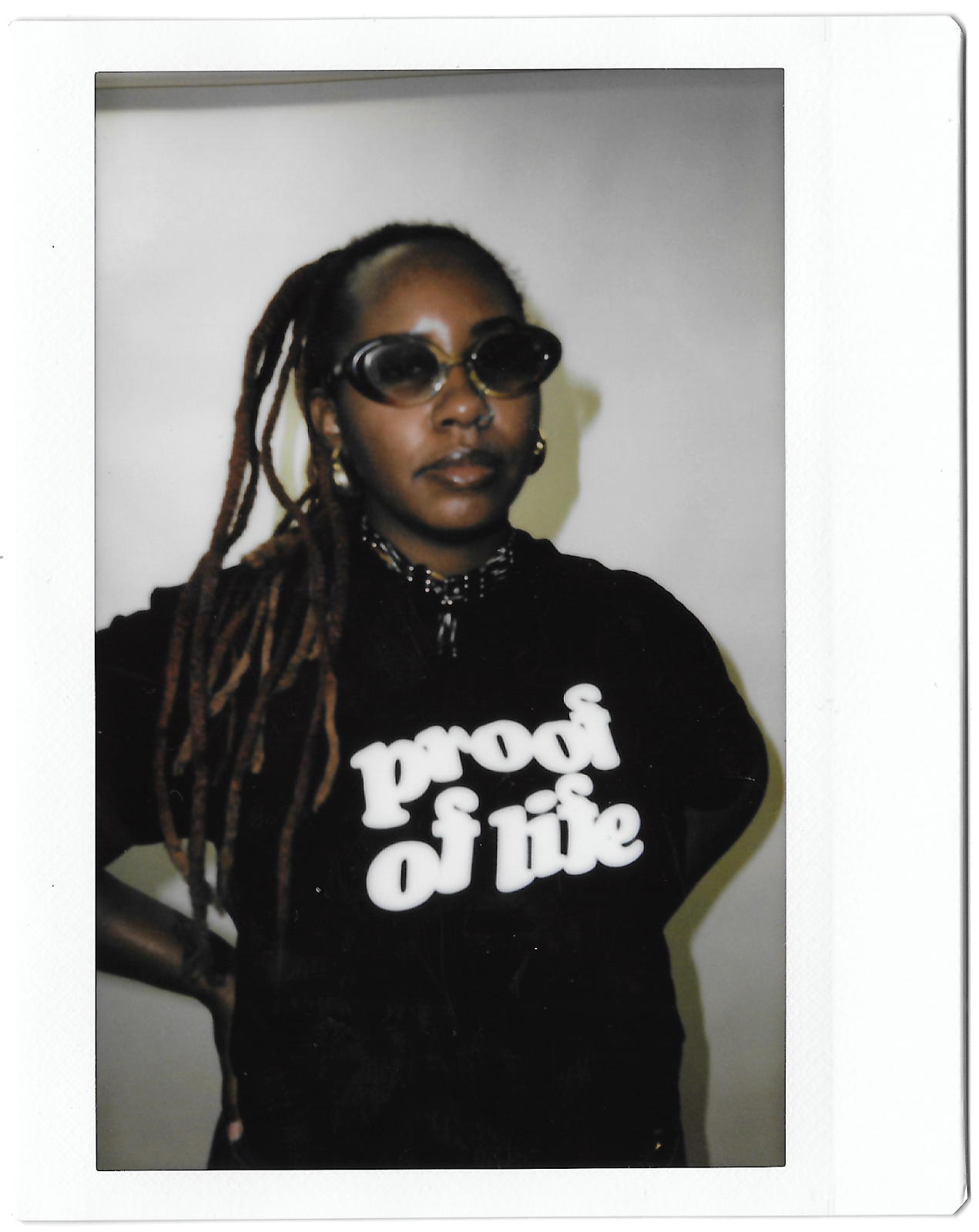
A photojournalist and art director who brings viewers into the streets of the city with intimate portraits and slices of life, often based in Wards 7 and 8.
I'm in D.C. because this is where I'm from, this is where I was raised, this is home to me. I'm a very accomplished visual storyteller who is wanted in several places throughout the world. But I'm here because I'm raising two kids, and my village is here.
I went away to Miami for college. Being pregnant and getting married is what brought me back to D.C. because I knew I couldn't do it on my own. I have a beautiful family, and I knew I always wanted my family to play a huge role in raising my children. When I came back here, I was a bit miserable — not going to lie — because I wanted to travel the world. But through this journey of motherhood and raising my kids with the help of my village, I fell in love with my city all over again.
"Seeing what's happening here, seeing how badly we have to scream 'free D.C.' in the city, how bad our culture is scrutinized: It's just making me want to stay here a little bit longer."
Now we have this attempt at a takeover with the city. It's making me want to stay even more. I feel like my city needs a visual storyteller and curator like myself. Just seeing what's happening here, seeing how badly we have to scream "free D.C." in the city, how bad our culture is scrutinized: It's just making me want to stay here a little bit longer.
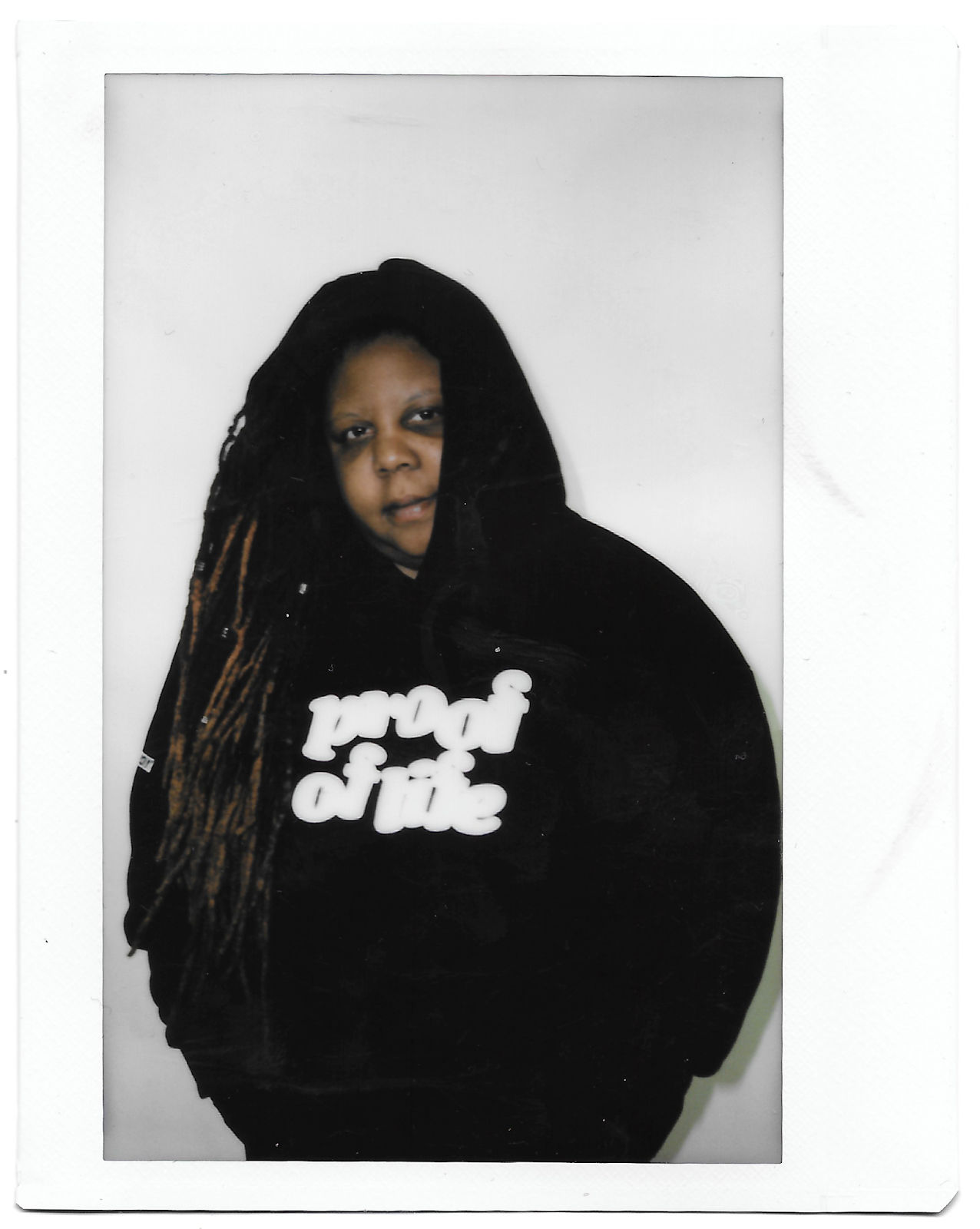
A self-taught graffiti artist whose work touches on race, politics, culture, and her family’s history.
I'm sticking with my city because it’s deeper than just being a native, born and raised here. It's a whole lot of blood, sweat, and tears here. My family, they really paved the way for us. This is where everything started for me, growing up in Southeast and just being different. I’m like the rose in the concrete, and I feel like that rose has not fully grown yet. I'm going to keep watering it, so I'm here for life.
"It's a whole lot of blood, sweat, and tears here. My family, they really paved the way for us."
I miss the old Georgetown, I ain't even gonna lie. The old Georgetown was everything. You could find any and everything you wanted. That was where I spent my first actual real paycheck. I worked hard just to go to Commander Salamander and Up Against the Wall just so I could continue to dress differently, be different, because I was different. And then we had Polo Rugby. It was lit. I don't think no one would ever understand that era of getting on a 30 bus and taking a full, long-ass ride. When you got off that bus, it was crazy because you were in a whole other world where all you wanted to do was shop. I miss that era.
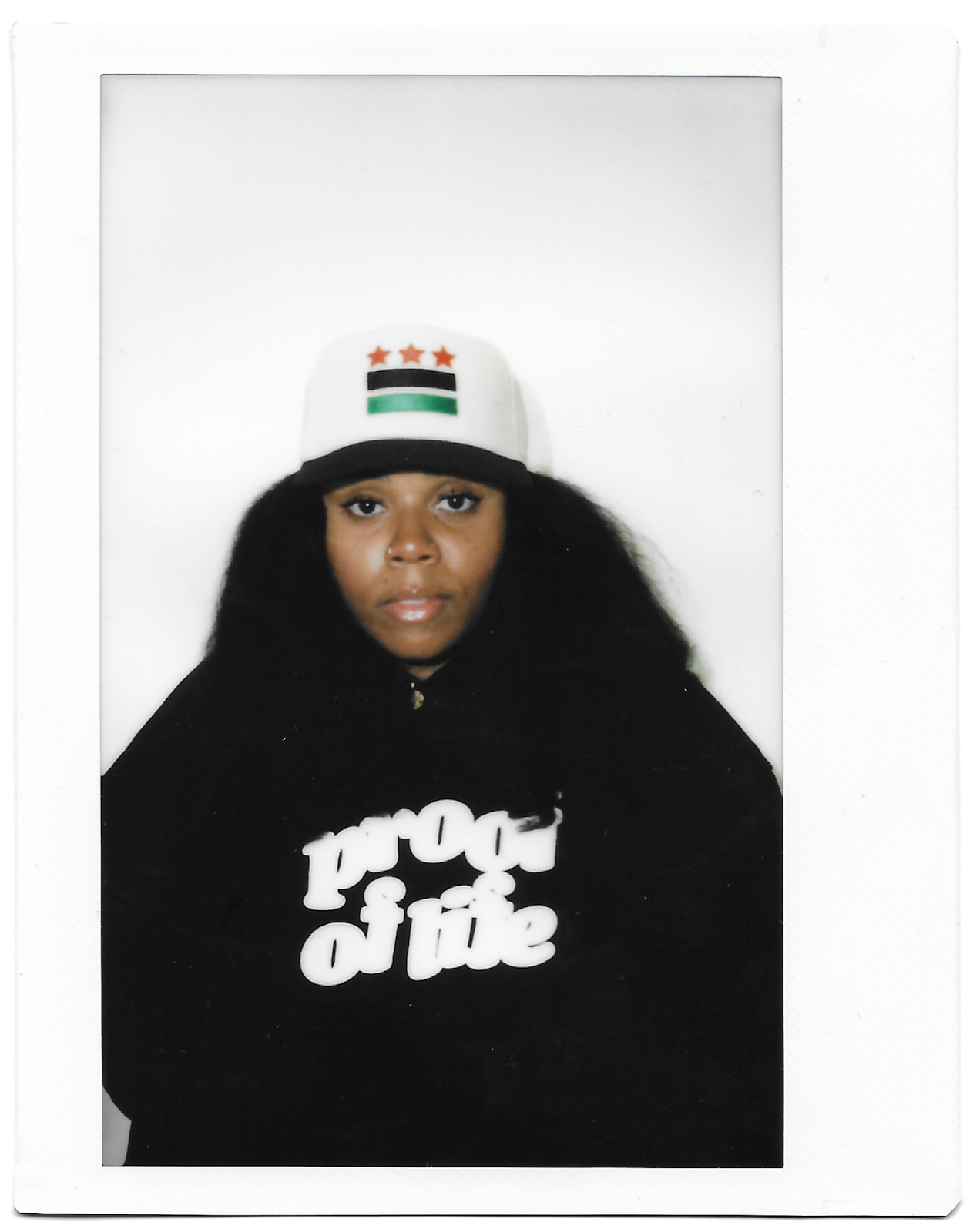
A stylist, creative director, and curator who uses clothes as a form of self-expression.
Thrifting is more popular. If you're a true thrifter, it's not as sweet as it used to be. Especially with pricing. I'll see a Winnie The Pooh varsity jacket for $130 in a thrift store. You might as well just not put it in the thrift store! You're charging what the resellers are charging.
"Things are more diverse. D.C. in itself always had opportunities. But there are more avenues, more hubs, more spaces for creatives."
The stores are just tripping. With it being more popularized, the stores being more crowded, people posting "look what I found" at such-and-such, I love that the people are getting into "reduce, reuse, recycle" vibes, but it's also, like, get out.
But, on a positive note, things are more diverse. D.C. in itself always had opportunities. But there are more avenues, more hubs, more spaces for creatives. We will always find our space. It was always little pockets for us for sure. But it's more welcoming now.
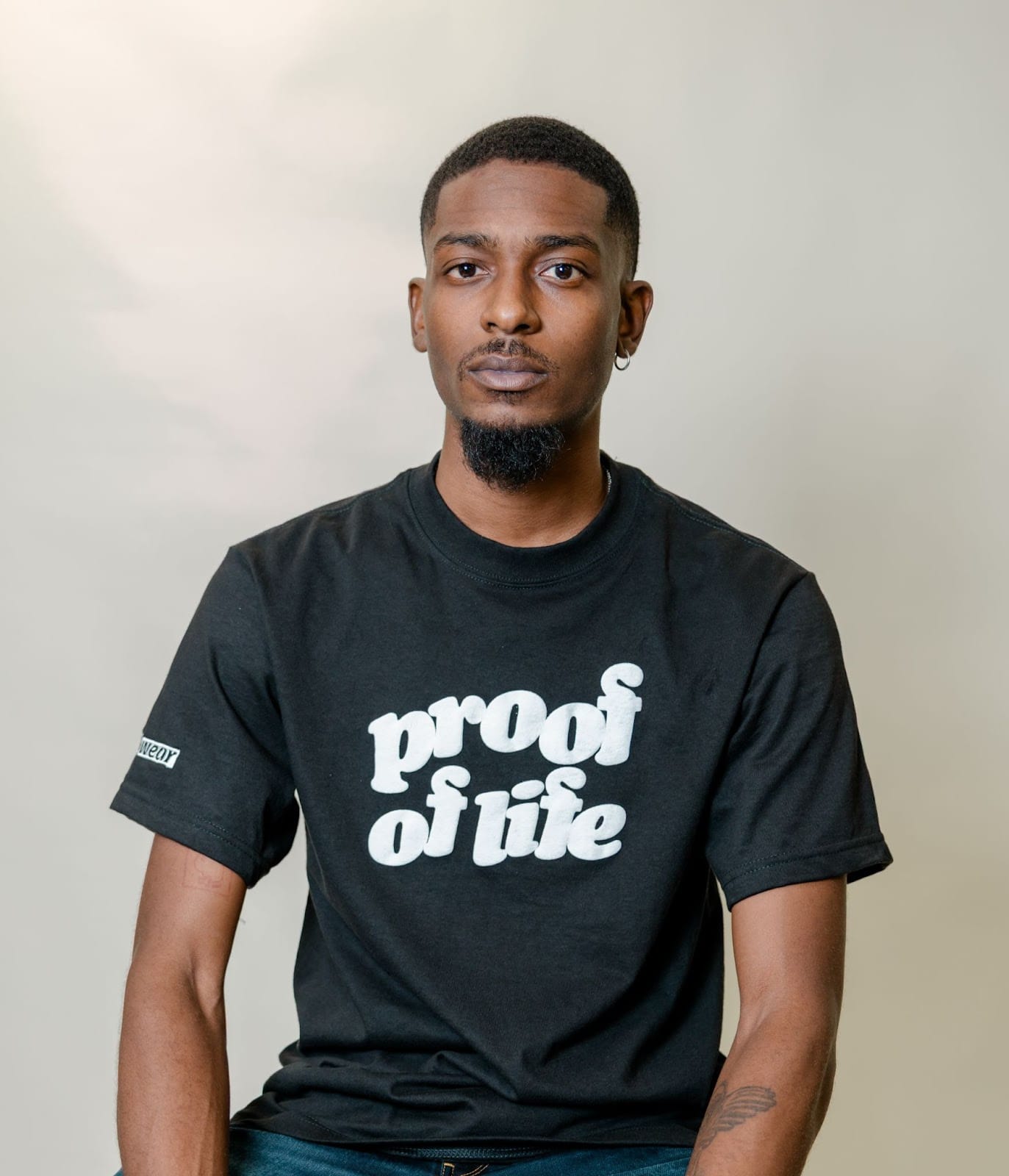
An activist, thought leader, and author who’s been on the front lines of protests, social justice movements, and community resource efforts across the city.
It's a moment that demands leadership. I've been proximate to politics my entire life, being in D.C. We've seen all the major protests kind of get scaled up. We were learning about national and international issues all the time. I just never really had my assertion point until that moment of racial reckoning post Breonna Taylor and George Floyd, where it was like, yo, this is really kind of at the front door of D.C.
I leaned into activism more heavily in that season than ever before. And in the time since, I've only gotten more committed, only seen how much more work we have to do. And I'm here now because that work is unfinished, and we got to get it done.
"We have the pressure of having the entire world looking at us … and I think that pressure really turns into opportunity for leaders who are here."
First of all, the Blackness of it all. Like, I'm somebody who loves Black people. So just to be around a bunch of them is a vibe. Having Black educators, having people who prioritize Black history, even beyond what was in the curriculum for DCPS, right?
Carry out, obviously. Go-go, of course. A soundtrack of a city, a soundtrack of a people. I mean, just thinking back to DC Star, CFE, and lePearl — the vibe around going out with friends. And granted that let out was always a little mixy, but at the end of the day, go-go culture is something that is one of the most beautiful things about D.C.
I also think D.C. is a case study for doing democracy the best way. We eliminated cash bail. We take these very progressive stances and act as an instructive model for the rest of the country. We have the pressure of having the entire world looking at us … and I think that pressure really turns into opportunity for leaders who are here [who] want to create those models for what a better world could look like.

The D.C. soccer team heads back to Audi Field with their star forward, new uniforms, and hopes for another championship run.


The Duke Ellington School of the Arts graduate was recently named artistic director of the country's fourth-largest Black dance company.


The history of D.C.'s official dance.

By creating content, merch, and experiences that are for and about Chocolate City
With your help, we pursue stories that hold leaders to account, demystify opaque city and civic processes, and celebrate the idiosyncrasies that make us proud to call D.C. home. Put simply, our mission is to make it easier — and more fun — to live in the District. Our members help keep local news free and independent for all: