

The Washington Sun’s aggressive local marketing campaign swings at The Post
The outlet is pitching its newly robust metro section with ads and activations around town
The outlet is pitching its newly robust metro section with ads and activations around town

The Revada Arts Center will be home to a theater company, film house, and “anti-opera” collective.

Live music, silent reading, fall festivals, and more to explore around the city.

At least half a dozen new community spaces have opened this year.


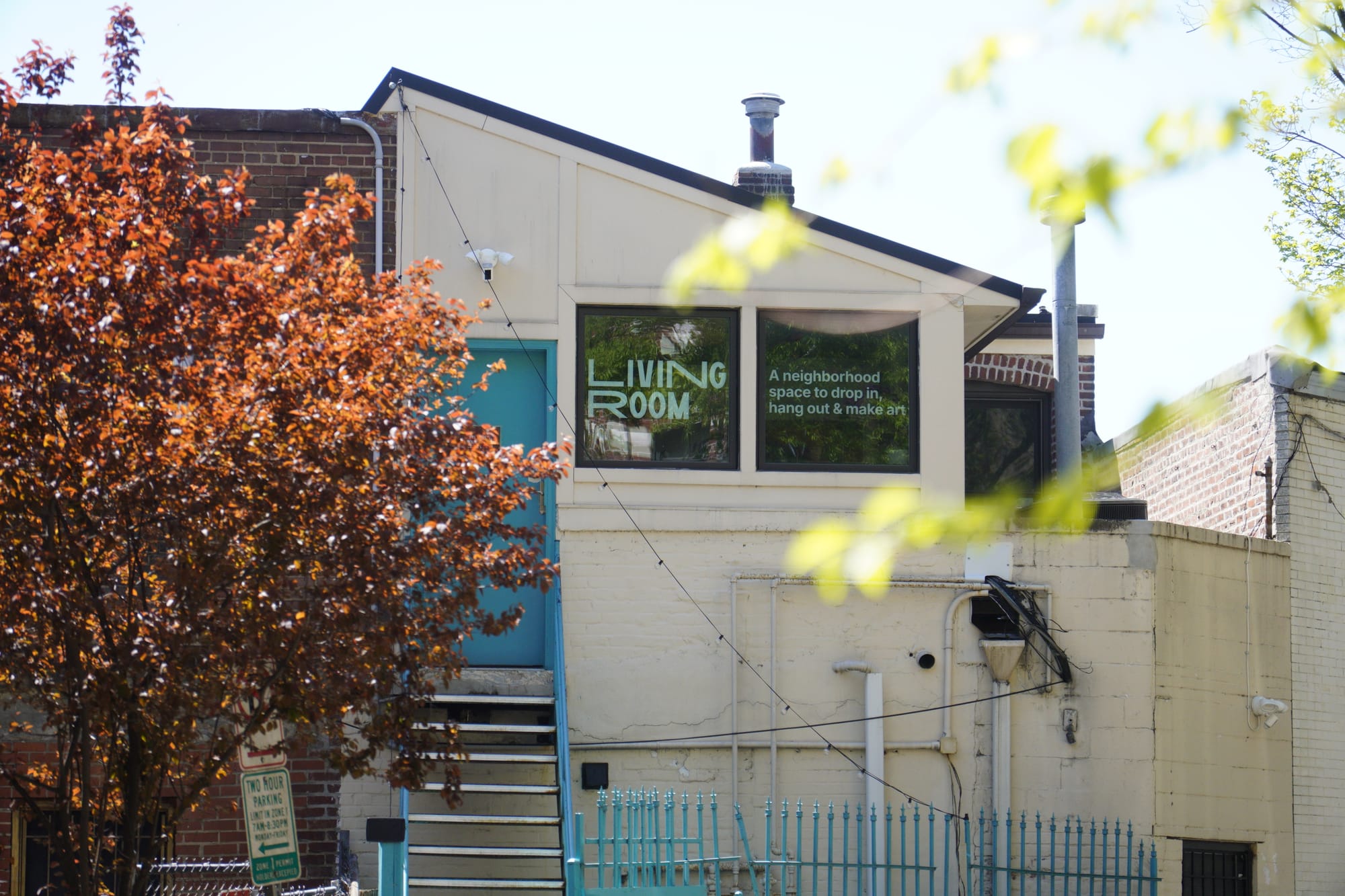
Ray Orr and Adriana Mendoza didn’t realize they had the same dream last winter: to launch a communal space for people to gather, make art, and connect.
When the two realized they were also looking at the same building in Mount Pleasant, they decided to join forces. In a matter of months, they launched Living Room, a space where visitors can drop in with their own art supplies or take advantage of the art library, stocked with watercolor paint, beads, tools for drawing and embroidery, and more. On Fridays this month, they’re hosting an “anti-capitalist co-working club” for those who are “feeling tired of working alone from your couch but haven’t found a community at your local coffee shop.” On Tuesdays in August, new parents and caretakers can bring their infant to “Cry Baby Creative Sessions.”
In recent months, an influx of similar “third spaces” have opened in D.C. — community centers, civic hubs, and art spaces that reflect a growing need for places where residents can meet new people and find a shared sense of belonging.
In 2020, the COVID-19 pandemic meant that the amount of time people spent with friends took a huge dip — and we never really recovered. One study found that from 2019 to 2021, third spaces — places like churches, recreation centers, and libraries where people can build community and get civically engaged — experienced widespread closures. Today, even coffee shop owners are concerned that rising costs will make it harder to serve as community hubs.
Now, some D.C. residents are filling in the gaps. “A physical space really allows consistency to happen, and consistency allows for connections,” said Mendoza.
Patchwork is another community makerspace that opened in Dupont Circle earlier this summer, where people can take workshops and use their sewing machines, 3D printer, a plethora of arts and craft supplies — even a keyboard for playing music. They also host a “Spanish Club for Socialists” and a potluck dinner where people can work on tasks they've procrastinated on. In August, they’re holding a “People’s Spelling Bee" and a “Powerpoint Night” where people can rave about a topic of their choice.
Patchwork started when Ward 2 Mutual Aid organizers were looking for a physical space for their art. “You can't really make your dress at a coffee shop on Sunday,” Bella Kumar told The 51st. But they also wanted to create something community-owned, which is why they use a membership model. “Having a place that we all own together also creates a very particularly special environment that is separate from the work in the home.”
Orr said that people are sometimes surprised Living Room is for adults, but Mendoza says that’s the point — kids get the chance to express themselves through art, but the pressures of productivity mean that often gets lost in adulthood. “We’re inviting people to let go of expectations and simply create,” said Mendoza. “In doing that, people often reconnect with themselves, discover new parts of who they are, and realize they’re capable of more than they imagined.”
Another recently launched creative hub is Brown Street Maker Cooperative, which offers workshops and classes on crafts like jewelry-making, sewing, printmaking, and more. They have a membership model where people apply to join and then volunteer to help maintain it.
The simultaneous launches of these creative spaces suggest an appetite for artistic outlets. Other than the library, “there's not a lot of places that give you all of the tools you need, [and] all you have to do is walk in,” said Kumar. “We wanted to be that space. It just so happens that we came up at a time where lots of other people were having the same idea, and we love that.”
There’s a similar interest in creating spaces for political purposes right now. In April, Harriet’s Wildest Dreams launched a Ward 8 hub which they’ve already used for juror teach-ins, a Juneteenth celebration, and community canvassing.
In June, organizers with the D.C. chapter of the Party for Socialism and Liberation opened the DC Liberation Center in Ward 6. Years of political organizing made it apparent that there was a need for a permanent space, said Olive Deally, who volunteers there. Since their grand opening, they’ve held film screenings, drag shows, World Cup watch parties, and organized around efforts like stopping the construction of an ICE facility in Southeast D.C.
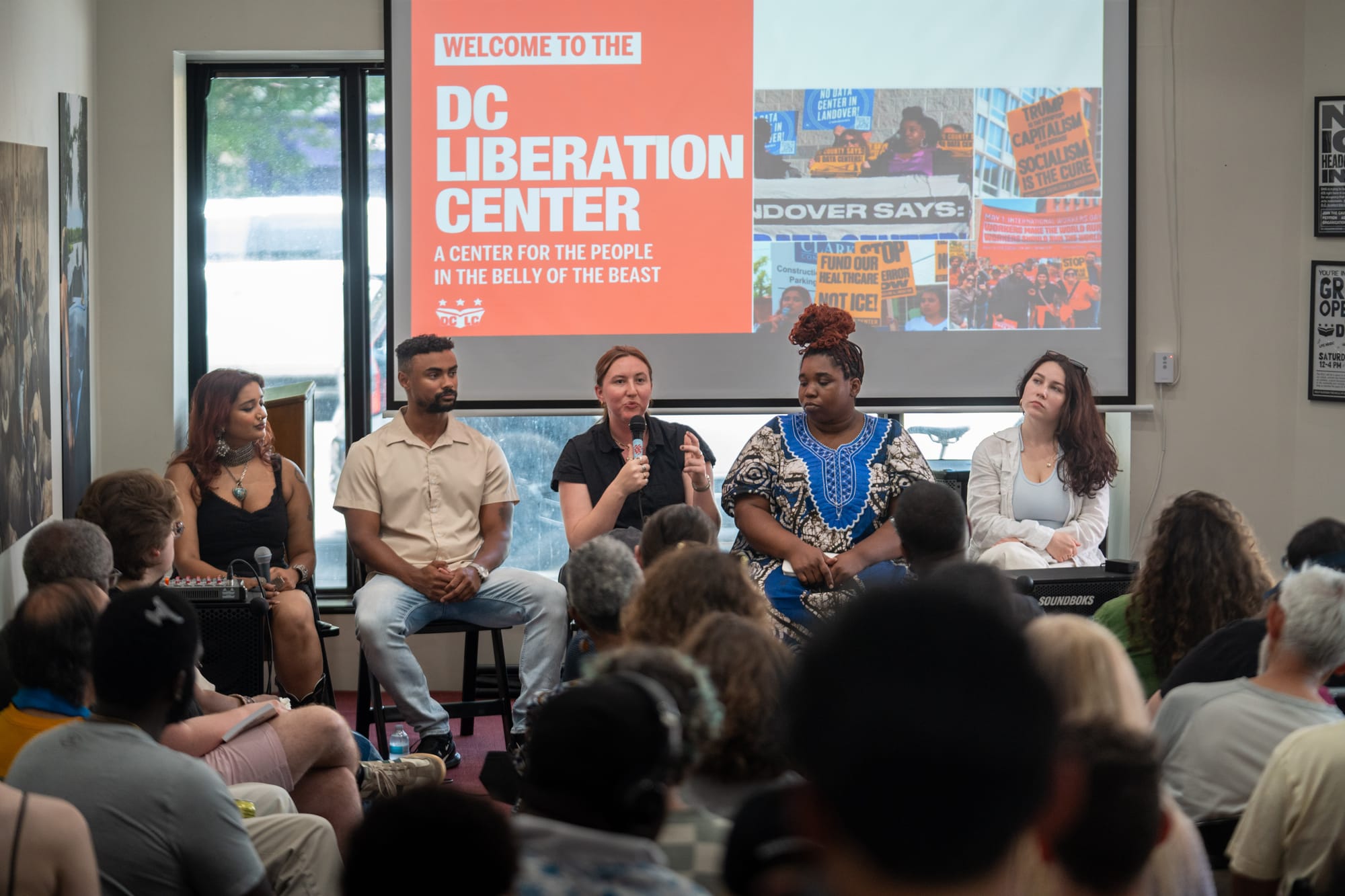
“Having a space to discuss issues like this and organize against them is why we opened,” Deally added.
Some of these new spaces offer free entry, while others require payment or a membership. For Living Room, which the co-founders launched with their own money, the decision to charge was one of sustainability. “We would love this to be free, but we really had to do the numbers,” said Mendoza.
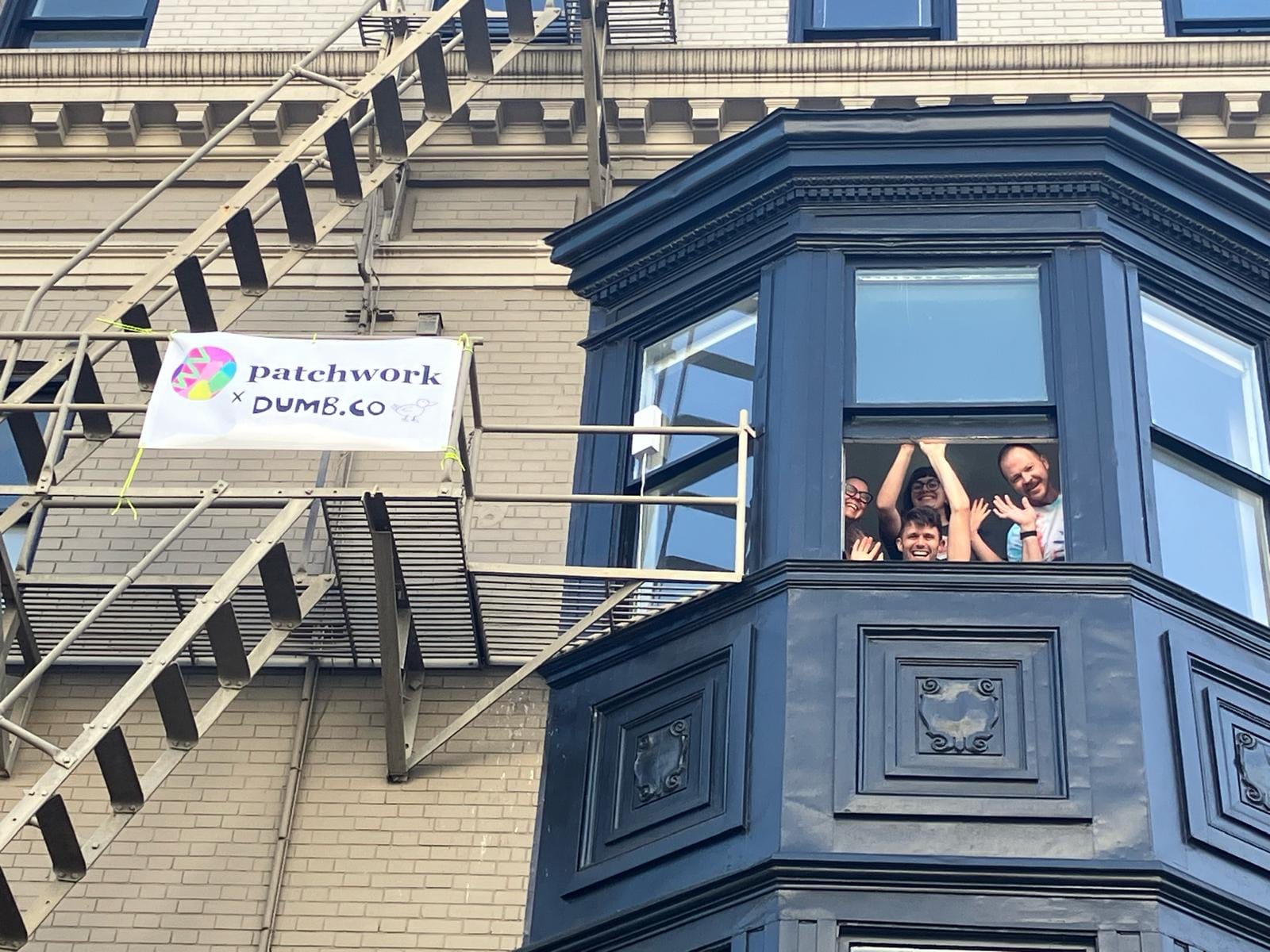
Patchwork doesn’t pay rent because they partnered with Dumb Co, a D.C.-based flip phone company, which covers the rent. Ultimately, their goal is to buy a space owned by community members — something they hope their sliding scale membership structure (ranging from $10-$100 monthly) can help with. So far, they have 50 dues-paying members.
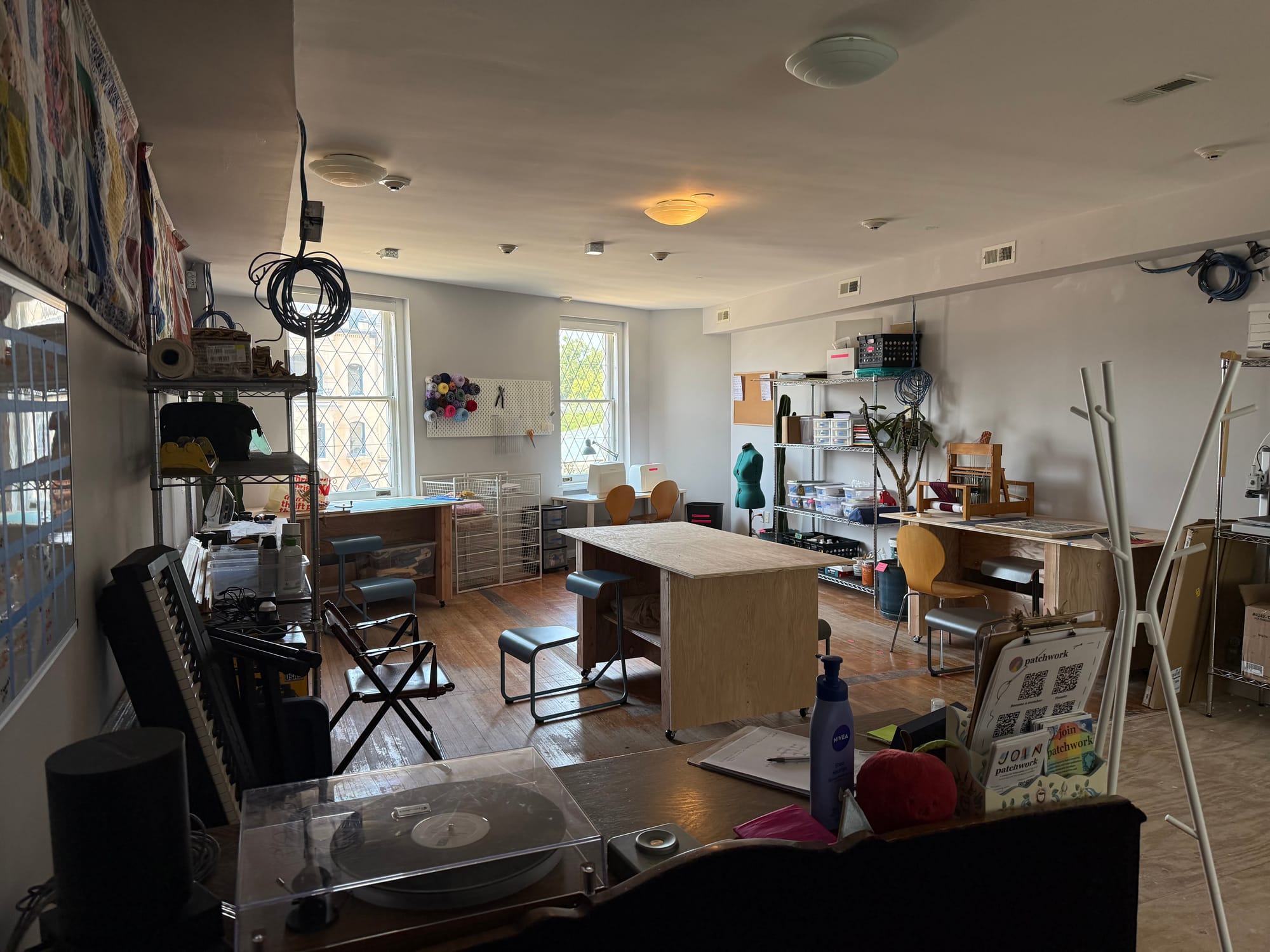
Dupont Circle's Patchwork has an art tool library that members can borrow and use. (Courtesy of Bella Kumar)
Over in Ward 3, a former meditation center next to the Cleveland Park Metro Station is now The Village Square, a place where seniors can do yoga and Pilates, watch movies, get help with technology, and just hang out.
The idea is a product of Cleveland and Woodley Park Village, one of many local “village” nonprofits dedicated to assisting seniors as they age in their homes. Frank Finamore, the executive director, knew that many of the older residents in the neighborhood didn't have a space meant for them. The issue hit home for him after taking care of his mother before she passed away, and seeing how much she needed a place where she could meet with others. Since opening, Finamore says that over 150 people have attended jazz concerts, book clubs, a gaming group, lectures, and more.
“Whatever the community needs and expresses an interest in, we're pretty open to figuring out a way to an event that meets those needs,” he added.
Like Patchwork, access requires a membership (though Finamore noted that they host at least 10 free events a month, which he says will likely increase). Member dues are a minimum of $300 a year, but anyone making under $50,000 can receive a free membership. “We really don't want money to be the reason why somebody doesn't get the host of benefits of being a member,” Finamore added.
His hope for the space is that it becomes a “beehive of activity,” and an alternative to being at home alone — something older residents particularly struggle with. “I want this place to be a way to meet new people [and] new friends, which is often hard to do later in life,” Finamore said. “And ultimately for us to reduce social isolation and loneliness, which is in itself equivalent to smoking a pack of cigarettes every day.”
Though these new spaces differ in what they offer — a community center for seniors, political homes for organizers, members-run art spaces — they ultimately are all trying to give residents a place that feels like their own. “Sometimes we don't need to say exactly what we want it to be,” said Orr. “People are going to start to come and use the space, and then that's going to be what the space is.”

The outlet is pitching its newly robust metro section with ads and activations around town

The presumptive mayor is pledging a new approach. But can she push past critics?

A new Obama Center sculpture honoring Harriet Tubman has thrust one of the District's most talented artists into the national spotlight.

The public housing agency is considering cost-cutting measures that could lead to major changes for the 20,000 residents it serves.
With your help, we pursue stories that hold leaders to account, demystify opaque city and civic processes, and celebrate the idiosyncrasies that make us proud to call D.C. home. Put simply, our mission is to make it easier — and more fun — to live in the District. Our members help keep local news free and independent for all: