

The Commanders’ energy plans for RFK stadium are already raising alarms
The team plans to ask for an exemption to the city's climate law that would allow it to add a natural gas-burning plant, which is worrying environmentalists and lawmakers.
The team plans to ask for an exemption to the city's climate law that would allow it to add a natural gas-burning plant, which is worrying environmentalists and lawmakers.

Why we partnered with a collective of D.C. natives to produce a print edition and where you can get a copy

Get to know your neighbors, regardless of their address.

City-run parks can’t replace the history and culture of spaces like Freedom Plaza, people who grew up in the local skate scene say.


Before the fences went up in December, you could stand at the corner of Pennsylvania Ave. NW and 13th Street NW on any given afternoon and watch skateboards clattering off the granite ledges of Freedom Plaza. A teen would launch off a set of stairs, hang in the air a half-second longer than physics seemed to allow, and land cleanly.
To the skating world, this was hallowed ground, known as “Pulaski Park” after the statue of Brigadier General Casimir Pulaski anchoring its east end. Thrasher magazine, the sport’s bible, devoted a documentary to the plaza’s history, and skate legends like Darren Harper have made their names on its marble.
But the plaza closed for construction in December, and metal fixtures have since been bolted onto the ledges, rails, and fountain encasements to prevent grinding. Around the same time, fences went up around two other popular skate spots: the long-empty fountains at Malcolm X Park and an underpass in Navy Yard on Half Street SE.
Renovations at each place were spurred by President Donald Trump’s March 2025 executive order to “beautify” D.C., an effort that has accelerated the erasure of informal skating spaces that made Washington, D.C., one of the East Coast’s premier skate destinations.
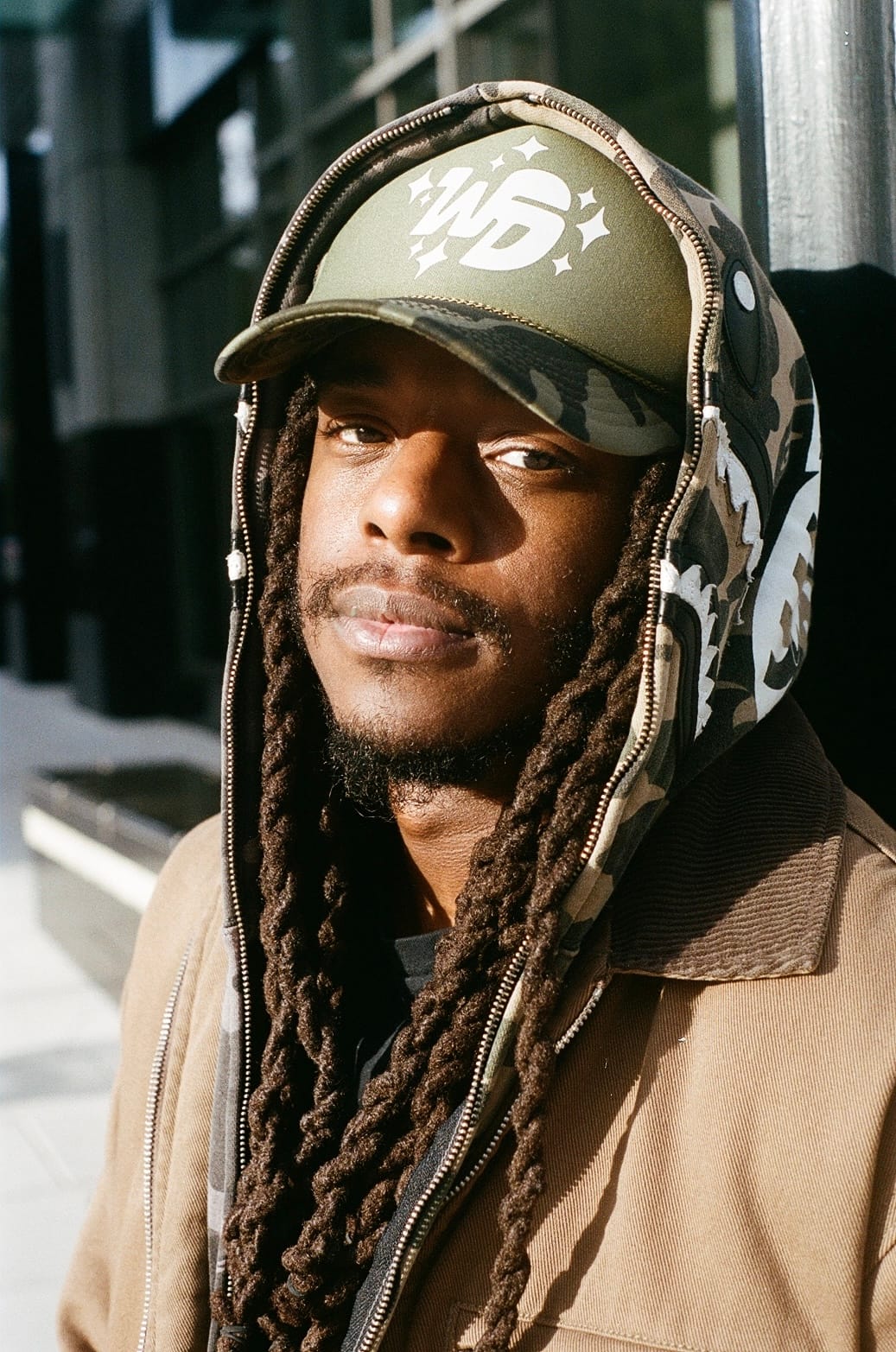
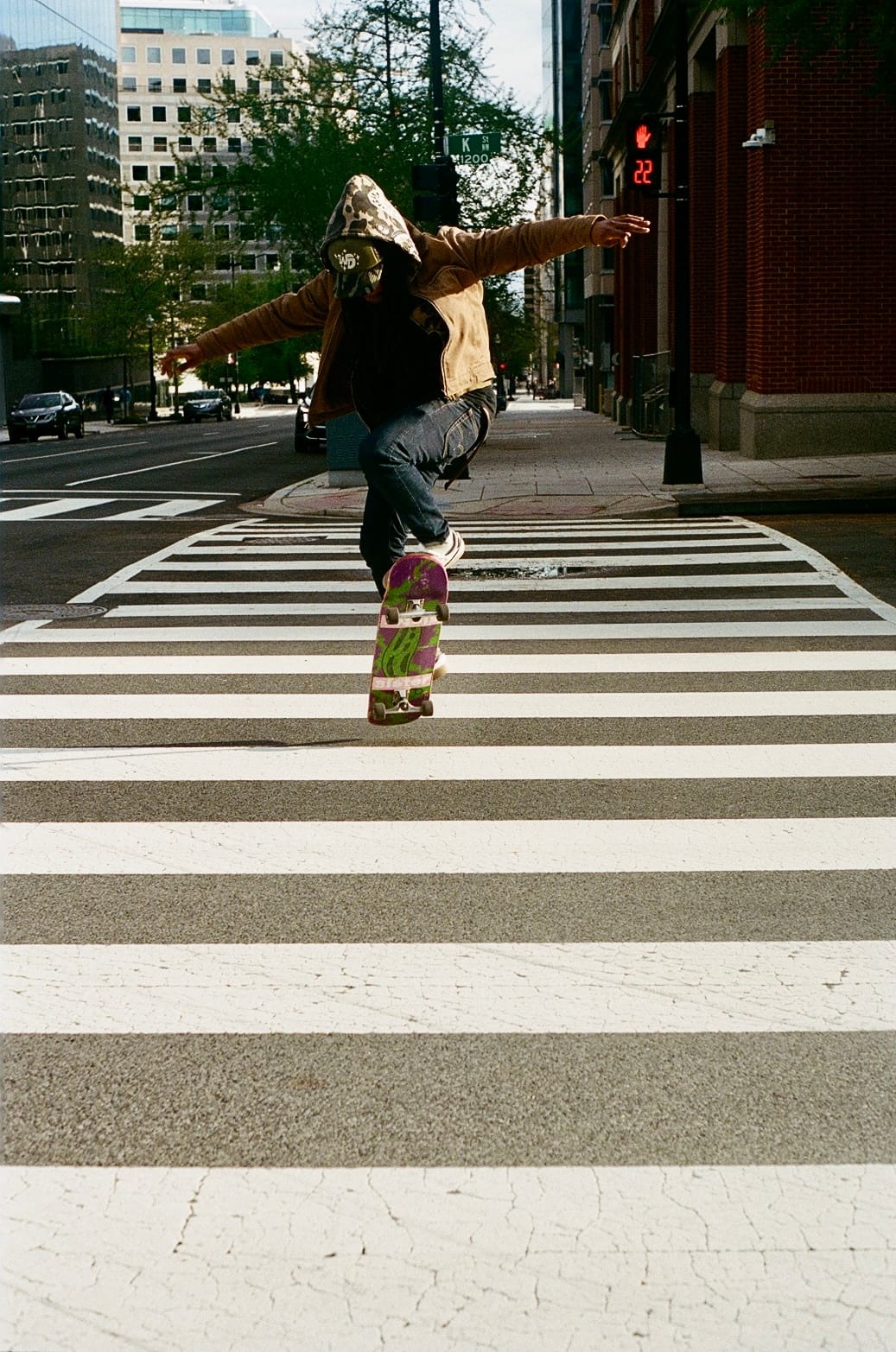
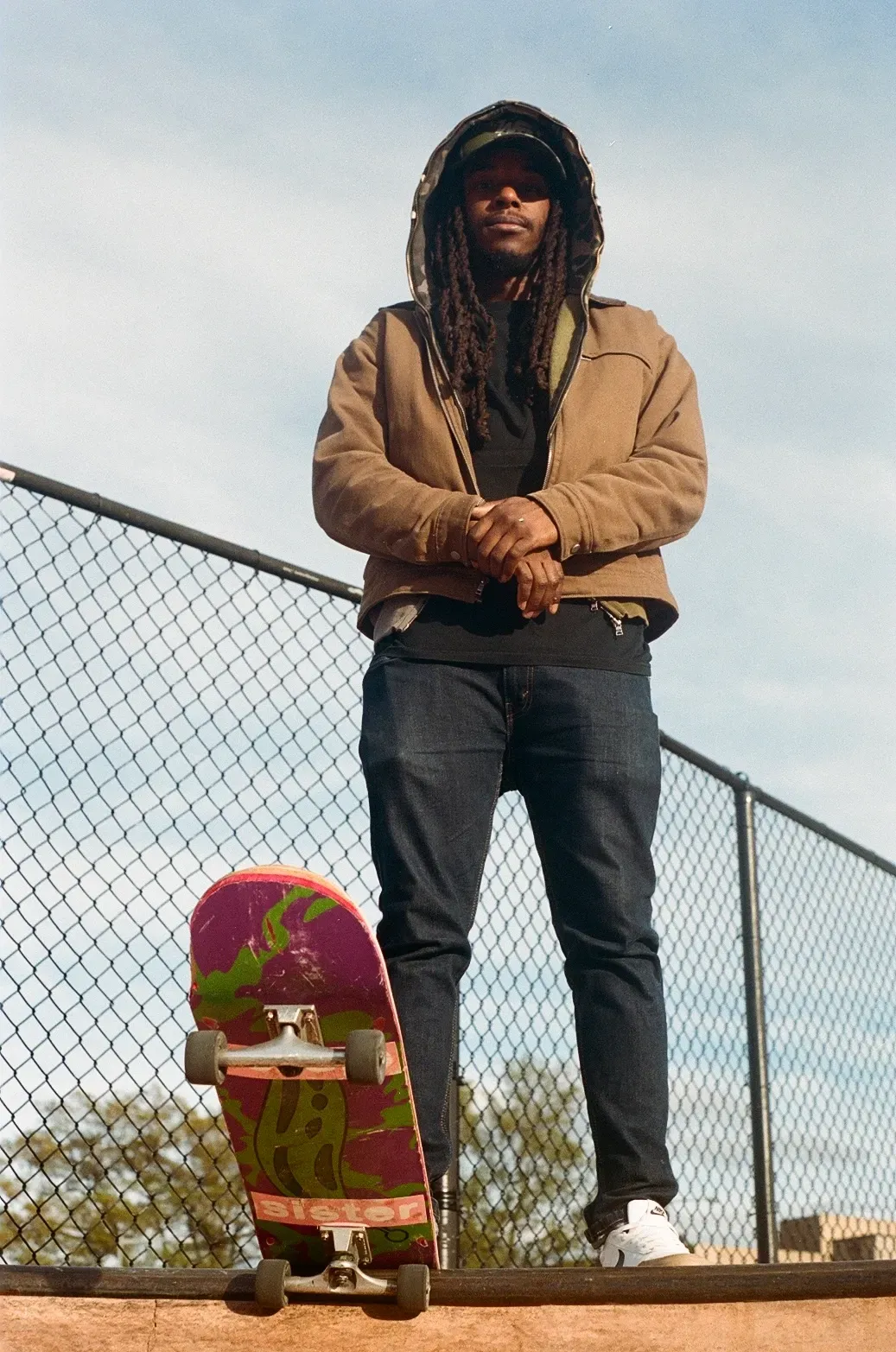
Kerim Joseph aka Kerim The DJ (Photos by William "Phresh Ingredient" Clarke IV)
Dating back to the 1980s, skaters from across the region have made the trip into the city to claim its plazas, fountains, and granite edges. Freedom Plaza’s smooth marble ground, open design, and varied terrain made it a place that felt “like it was made for skateboarding,” as longtime D.C. skater Arthur Lisi told The Diamondback in 2022. It became a proving ground for generations of local skaters and a destination for visitors from across the country.
As unofficial skate spots have been fenced off and renovated into compliance, the District government has expanded its network of sanctioned skate parks. Shaw Skate Park opened in 2011 just north of downtown and subsequently became a gravitational center of the scene. Banneker Skate Park, Skate Park at RFK Campus, and Green Skate Lab followed.
The six parks offer a dedicated outlet for riders, but skaters will tell you they’re no replacement for the freedom to move through a city and improvise on your own terms, like a jazz musician playing off the energy of the room. Take the fountains at Malcolm X Park. They were never intended as a skate spot, but when they went dry, skaters found an opportunity. Shaped like shallow pools, the fountains offered something rare in the middle of the city: transitions, or curved surfaces where flat ground sweeps upward into a wall, allowing skaters to build momentum for tricks.
When the park closed for renovations this spring, many District residents protested the temporary loss of grassy space, and celebrated when the fountains reopened in May. Hardly anyone mentioned the skaters’ loss.
The relationship between skaters and the city has rarely been easy. Skateboarding at Freedom Plaza is technically illegal, and DCist reported that U.S. Park Police routinely chased skaters from the plaza going back to the 1990s. The city’s posture has long been one of enforcement first: pushing skaters out of most public spaces and, more recently, into designated skate parks.
“I’m just so used to getting kicked out everywhere because you got a skateboard,” said Kerim Joseph, who arrived in D.C. from Brooklyn in 2013.
Known around the city’s music and skate circles as Kerim The DJ, he found his way into the scene through Shaw, drawn in less by the skating than by the way people talked about the skaters who came before them. One of those legends is Pepe Martinez, from Falls Church, who in the early 1990s helped popularize street skateboarding in the region. He died in 2003, leaving behind a legacy the community still passes down like scripture.
“No matter who I talk to, no matter how old they are, they’ll put me on to something that’s specifically from here that is very important to them, even though it happened years and years before them,” Kerim said. It’s the specific spaces, used across generations, that have built a skate culture unique to D.C., one where the history of a ledge is as important as what you do on it.
But the respect for D.C. often doesn’t feel mutual. On June 21, 2025, on Go Skateboarding Day, an annual holiday established in 2004 to celebrate skate culture and push back against the forces trying to contain it, DC police cleared Freedom Plaza. After a long session across the city, artist and skater Danny Cappello said his crew rolled up to Pulaski and was told to leave. It’s not the first time: In 2016, police shut down a gathering of hundreds of skateboarders there on Go Skateboarding Day.
The Go Skateboarding Day clearing was one moment in a longer pattern. Asked about the overall landscape of skate spaces in the city, the DC Department of Parks and Recreation pushed back on the narrative of loss. “We have six skate parks, and we have not closed any in our inventory,” a spokesperson said.
To many in the community, that misses the point.
The sanctioned parks were never interchangeable with the open public spaces skaters claimed. They haven’t been core to D.C.’s skate identity for decades, like Freedom Plaza. They rarely offer the chance for something new and unexpected, like Malcolm X Park. You can’t replace a landmark with a facility.
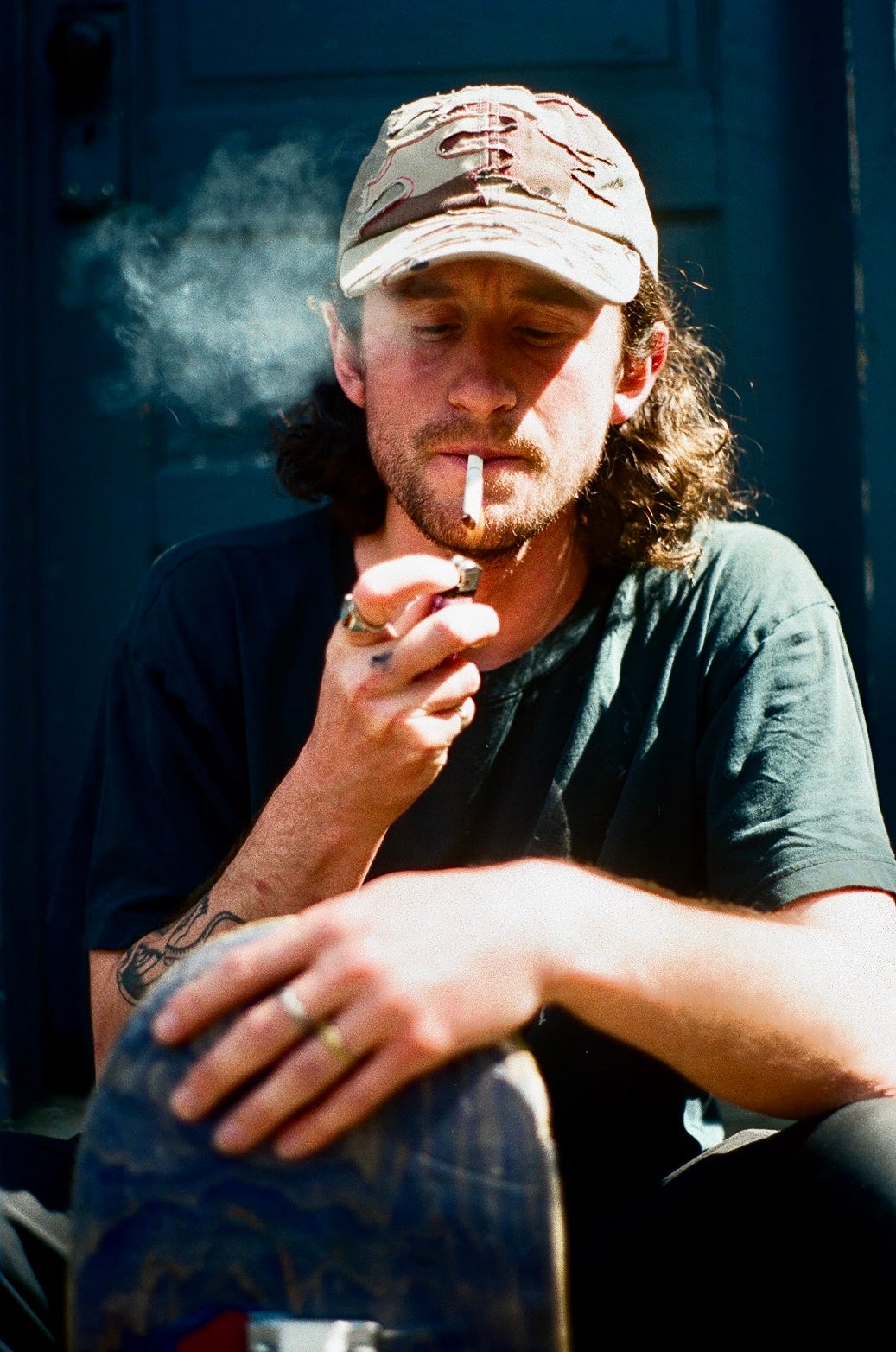
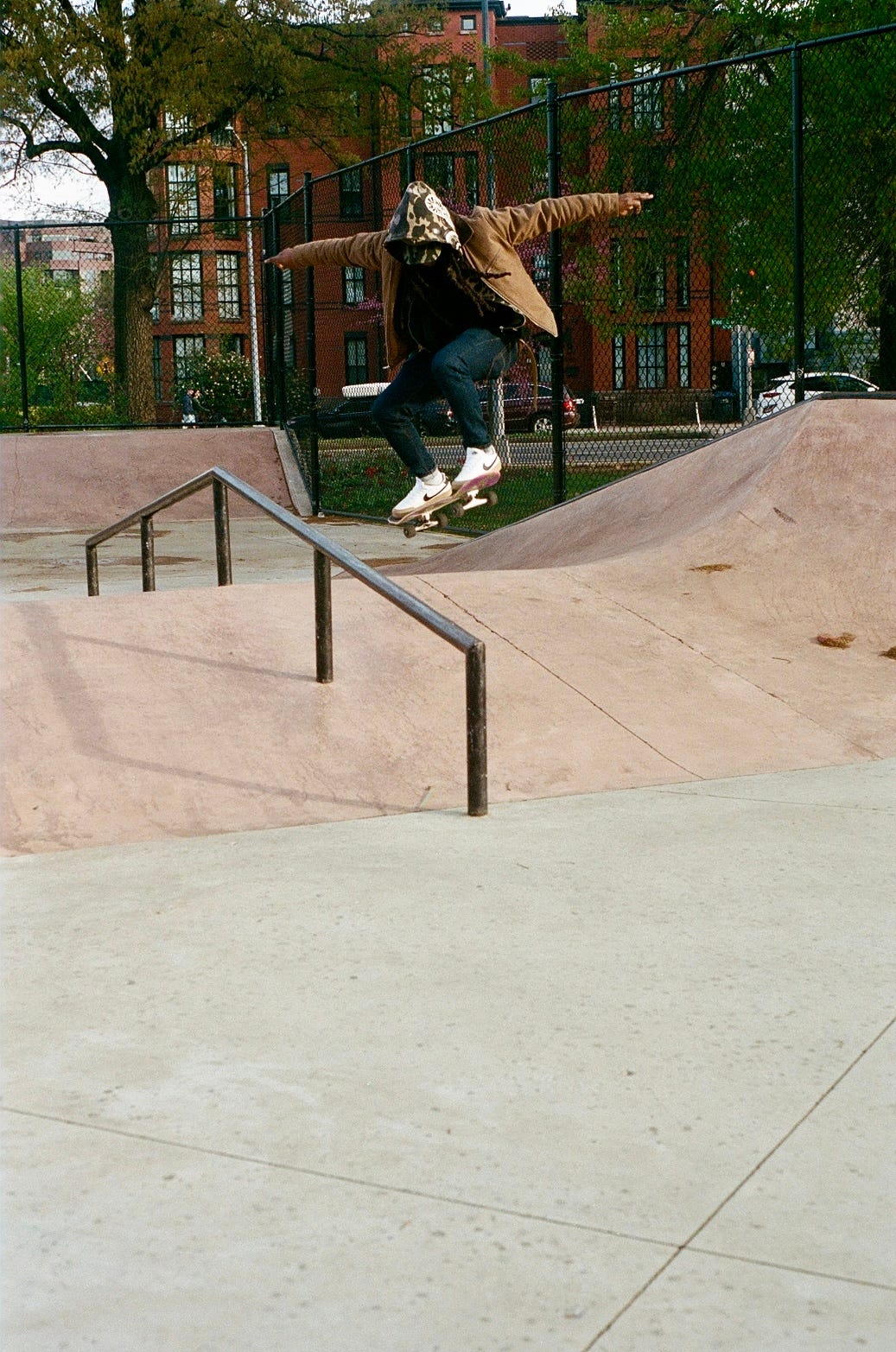
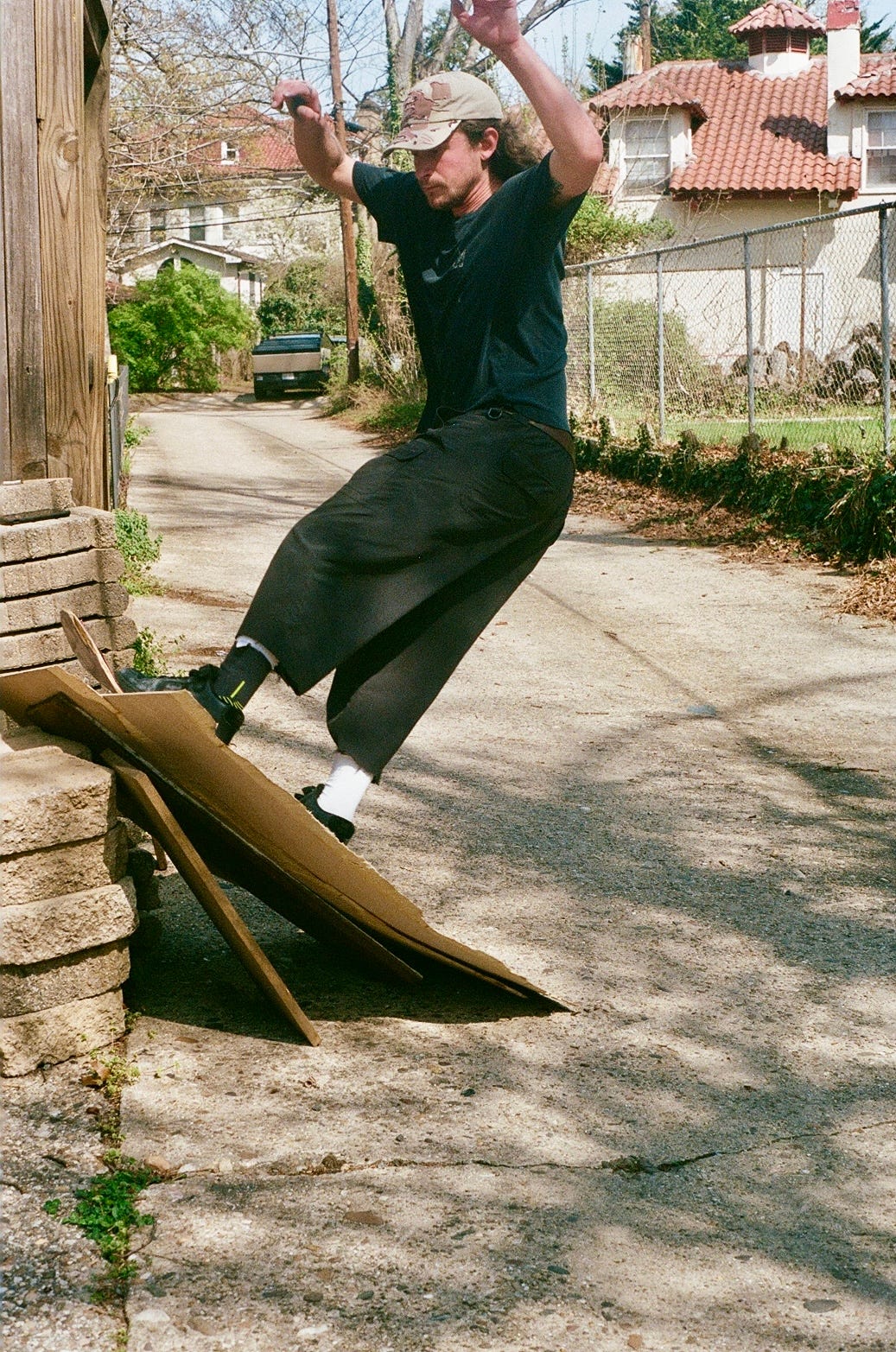
Danny Cappello (left and right) and Kerim Joseph (center) (Photos by William "Phresh Ingredient" Clarke IV)
Cappello has skated Freedom Plaza since he was about 13. He is clear-eyed, not sentimental, about what has happened. Even after the latest Go Skateboarding Day clearing, skaters kept showing up, and for the most part, the police have let them. “The bright side is, we won,” he said. “DC police did not come around anymore. They did not take our boards, and it kind of became our place.”
What bothers him more than the closures is the kind of thing that threatens to replace them. A few months before the fences went up in December, a portable mini-ramp appeared near Pulaski, apparently sponsored by an AI company. Cappello called it a sanitized, branded approximation of skate culture, dropped into a place whose meaning clearly wasn’t understood by those who put it there.
That’s a real threat: not just that spaces might get shut down, but that they get hollowed out and handed back as something unrecognizable. “They had no idea what Pulaski was,” Cappello said. “I’d rather have it dead than zombified.”
What disappears with a genuinely public space isn’t just a ledge. It’s the social fabric of beginners learning their first tricks and older skaters showing up on Sundays not to skate hard, but just to be there. None of that heartbeat gets replaced when the concrete does. Still, skaters will find a way.
“They can close every single place we have,” Cappello said, “and we’ll find something to skate. Skateboarders are some of the most resilient, adaptable people on the face of the planet.”

The outlet is pitching its newly robust metro section with ads and activations around town

A new Obama Center sculpture honoring Harriet Tubman has thrust one of the District's most talented artists into the national spotlight.


Domo Wells’ designs for women’s soccer merch have deep roots in D.C. culture.


Our reporter survives an overnight journey of ambient music — and the soul — at Rhizome.
With your help, we pursue stories that hold leaders to account, demystify opaque city and civic processes, and celebrate the idiosyncrasies that make us proud to call D.C. home. Put simply, our mission is to make it easier — and more fun — to live in the District. Our members help keep local news free and independent for all: